





We hosted Maven Ventures’ 2nd annual Hypergrowth Retreat last month to connect early stage founders from our portfolio and community to the top growth practitioners in Silicon Valley. After a full day of content, workshops, and one on one sessions, we were blown away by the positive feedback we got from our attendees. Here’s one attendee’s review:
“Gaining insights and valuable lessons from some of the most experienced leaders in growth helped us upgrade our pre-launch strategy, and better understand what it takes to build a scaleable product and business.”
Based on this feedback, we wanted to share some highlights from the sessions to help other early stage founders stay informed on how the top experts are thinking about growth today. These insights just scratch the surface. If topics like these are relevant to your business, consider joining us at next year’s retreat.
In his talk, “The Only Metric that Matters,” Josh Elman (Greylock) suggested that once a startup begins to track user data, there is one metric that is of utmost importance: how many times are users performing the core action on the expected cycle? For example, after charting user behavior at Twitter, Josh realized that the people who tweeted twice within 7 days in a given month had a very high likelihood of coming back the next month. So, that became their north star metric.
Andrew Chen (Uber), Elena Verna (Malwarebytes) and Joe Du Bey (Eden) discussed with Parker Thompson (AngelList) “Balancing Your Startup’s Monetization and Growth.” Elena shared the importance of getting Malwarebytes customers to the “aha moment,” the point at which they realized they should pay for the product. For her company, an anti-malware software, the “aha moment” comes when a potential customer downloads the product, because it’s at that point that their system can be scanned and malware discovered. Joe said that investors are sensitive to unit economics but growth is always the north star. By Series A, though, investors start to inquire more about the economics, Joe noted. Andrew added that getting addicted to paid acquisition early on can be a problem down the road; build an organic growth system, leveraging the unique value propositions of your product to ignite virality.
We’re using one of the most powerful technologies of a generation to solve some of healthcare’s most persistent problems.
Right now, the healthcare industry is obsessed with using AI to automate note-taking, billing, scheduling, prior authorization, and the rest of the bureaucracy that consumes far too much of our healthcare system.
It’s important, but AI can do so much more than paperwork. AI can help us understand what is happening to people’s health at a scale and level of precision we have never had before. It can recognize changes across enormous amounts of data, follow those changes over time, and help surface risk while there is still time to do something about it.
This has the potential to improve the health of millions of people, and chronic conditions that affect huge swaths of the population, like heart disease—the leading cause of death—should be where we’re focusing.
We treat heart health like a calendar event, checking in only once or twice a year. Our blood pressure is checked. Maybe there are new lab results. We talk about medications, stress, exercise, and what we’re eating.
Then we go home.
Over the next several months, blood pressure may start trending upward. We may become less consistent with medication. Our weight or activity level may change. A symptom may come and go without seeming serious enough to mention.
Historically, much of that information disappeared into the space between appointments.
No physician can watch every signal for every patient every day.
Now, connected devices can collect meaningful heart health data consistently at home. AI can help interpret those patterns across time and across huge populations.
That changes what is possible.
A single blood pressure reading is useful, but knowing how someone’s health changes over weeks and months is much more powerful.
And once we can see those changes, the next question is how quickly we can make them useful.
Cardiovascular medicine has long relied on tools that estimate someone’s risk over a period of years, often 10 years.
I suppose that information is useful to doctors. But imagine being told, as a patient, that you have an elevated chance of having a heart attack sometime in the next decade.
What are you supposed to do with that information today?
Ten years is abstract. People don’t experience their health in decades. They decide whether to take their medication tonight, whether to check their blood pressure tomorrow, whether something they are feeling deserves attention now.
That is why our research and AI teams at Hello Heart started looking at whether we could bring cardiovascular risk into a much shorter timeframe.
Using clinical information alongside longitudinal measurements such as blood pressure and heart rate, our researchers developed an AI model and evaluated whether it could identify cardiovascular risk within a 90-day window.
In a peer-reviewed study published in Frontiers in Digital Health, the model retrospectively demonstrated stronger predictive performance than standard long-term cardiovascular risk calculators.
For me, 90 days is a way more impactful risk window to give someone.
Tell someone something may happen in 10 years, and it is easy to put it in the back of their mind. It’s also useless and sad to leave that vague prediction hanging over them.
Tell them their risk appears to be changing over the next few months, and suddenly there is a window in which they and their care team can pay attention and act.
That is much closer to how people actually live.
Of course, AI cannot predict every heart attack or stroke, and our research does not claim that it can. But getting closer to the period when risk is actually changing opens up possibilities that a distant probability simply cannot.
Using AI this way also comes with much more responsibility than using it to automate a billing workflow.
People are already asking general-purpose AI systems about symptoms, medications, test results, and whether something they are feeling is dangerous.
That makes the quality of healthcare AI incredibly important.
A system designed to influence real health decisions needs relevant clinical data, established medical guidelines, rigorous testing, clear safety boundaries, and clinical oversight.
This is why I believe vertical AI will matter so much in healthcare.
A cardiovascular AI system can be built specifically around heart health, trained and evaluated using relevant data, and designed around the clinical boundaries of that field.
At Hello Heart, our AI models undergo regular accuracy and quality review, with clinical oversight and human involvement wherever medical judgment is required.
The stakes should make us more ambitious about what AI can do, not more casual about how we build it.
I often think about this in the same way I think about other safety systems we barely notice until we need them.
An airplane, for example, continuously monitors thousands of signals that no pilot could watch individually throughout an entire flight.
A smoke detector watches your home while you sleep.
Neither one of these systems replaces human judgment. They just help people notice danger sooner, and give them the information they need to act on it.
In a world where so many other industries demand proactive safety systems, there is no reason for our healthcare system to still rely on occasional snapshots from clinical visits, when we now have the ability to understand much more of what is happening between them.
A person should not need to recognize every meaningful change in their own cardiovascular data. A physician should not need to manually watch every patient between appointments. Instead, we should be using AI to surface the people and moments that deserve attention.
And there are already signs that this kind of prevention can have real impact.
Across Hello Heart’s member population, we estimate that more than 117,000 hospital days have been avoided to date. Peer-reviewed research has also found better cardiovascular outcomes and lower healthcare utilization among people using the program.
But when I hear “117,000 hospital days,” I do not primarily think about the reduction in healthcare claims.
I think about 117,000 days people got to spend somewhere else.
At home. At work. With their families. Living their lives instead of lying in a hospital bed.
That is what makes this application of AI to healthcare exciting to me.
We should absolutely use AI to give clinicians time back and make healthcare less frustrating.
I just do not want that to be the limit of our imagination.
We finally have technology capable of watching how health changes over time, across millions of people, and helping us recognize risk earlier than we could before.
Alongside making healthcare more efficient, we can use that power to help people stay healthy.
Sara Deshpande first met Rene Caissie, the CEO of Medeloop, in 2022 at Startup Garage, the Stanford business school class she helps teach. He pitched her a fledgling startup idea.
He and his classmates shared a few business ideas with Deshpande: consumer genetic services, health data tracking, and health management for conditions like diabetes. But Deshpande wasn't convinced. She told Caissie and his team members that they needed to think of their potential consumers first to identify more unique and novel problems.
So Caissie reworked his concept and came back to her 18 months later with something better.
That second version became Medeloop, an AI-powered medical research startup that now counts Deshpande's venture firm, Maven Ventures, as an investor. It has since raised $23 million from General Catalyst, Maven, and other firms.
Deshpande's criticism was emblematic of her approach as an early-stage investor. She isn't the kind of VC who politely nods and writes a check or supports her founders' ideas without question.
"With my founders, I'm really known for tough love," she says. "I never say anything I wouldn't say directly to them, and they know everything I'm saying comes from a place of wanting them to succeed."
Deshpande has been investing at Maven Ventures since 2014, when she joined as a general partner. Founded in 2013 by Jim Scheinman, Maven set out to become a go-to seed-stage firm for consumer startups, with bets including the $22 billion videoconferencing company Zoom and the $9 billion AI search startup Perplexity.
At Maven, Deshpande invests in consumer applications across digital health, climate, and AI. She's backed companies including the fertility benefits startup Carrot Fertility and the sustainable seafood company Wildtype.
Above all, she looks for founders who share her vision of chasing emerging consumer trends and are relentless in their pursuit.
"We like to back people who'll tear through a brick wall to bring their vision to life," she said.
Deshpande began her career at Deloitte in healthcare strategy during the passage of the Affordable Care Act in 2010.
"It was a moment when all our clients were trying to figure out what the next wave of consumer healthcare would look like," she says.
That experience sparked a lasting interest in how consumers interact with big, complex systems — and what it takes to simplify those systems through tech. While still at Deloitte, she began volunteering at the Idea Village, a New Orleans-based startup accelerator.
The day she paid off the loans she took out to attend Stanford's business school, she called the Idea Village's CEO and asked if she could come aboard full time.
"That's where I got this knack for helping founders identify and achieve bold visions, against all the odds," she said of the Idea Village.
By the time one of Maven's limited partners introduced Deshpande to Scheinman, she had years of experience coaching founders but had never raised outside capital. Scheinman had a few seed investments under his belt, including in Zoom, and needed a partner to help make his vision of identifying and supporting forward-thinking consumer founders a reality.
"Within 24 hours of that first meeting, I wrote Jim an email like, 'Here's my job description,'" Deshpande said.
Deshpande has been at Maven ever since, helping to grow the firm's portfolio and reputation. She's been a board observer or advisor to companies such as Hello Heart, Carrot Fertility, Daybreak Health, and Medeloop.
Now more than a decade in, Deshpande still sees long-term potential in sectors like consumer health, concierge medicine, and personalized care.
Deshpande said consumer health technologies remain a resilient sector despite market challenges. An analysis by the digital health advisory company Galen Growth found that consumer health tech investments grew by 9% between 2023 and 2024.
But Deshpande isn't blind to the moment. She acknowledged that recent recession fears and market volatility may shape consumer and founder behavior.
"It's a really turbulent time to be a founder," she said. "We'd all been hoping for a rosier economic picture. That now seems way less certain."
Still, Deshpande said that great companies are often created during periods of economic uncertainty.
She's keeping her eye on founders willing to push forward, including through layoffs or dramatic market shifts. "Sometimes that's the kick somebody needs," she said.
Read the original post here.
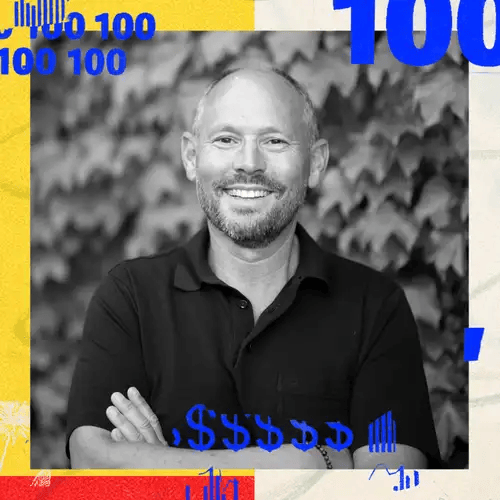
Scheinman is the founder and CEO of Maven Ventures, a VC fund that invests in consumer internet and mobile startups. Before Maven, Scheinman was a successful startup founder and executive, and he has achieved six unicorn exits across his career as a founder and investor. He's perhaps best known for naming Zoom while working as an advisor at the company.
At Maven, Scheinman is heavily focused on consumer AI, with his VC firm investing in the likes of Perplexity and SpaceX through its stake in XAI.
Read the original post here.
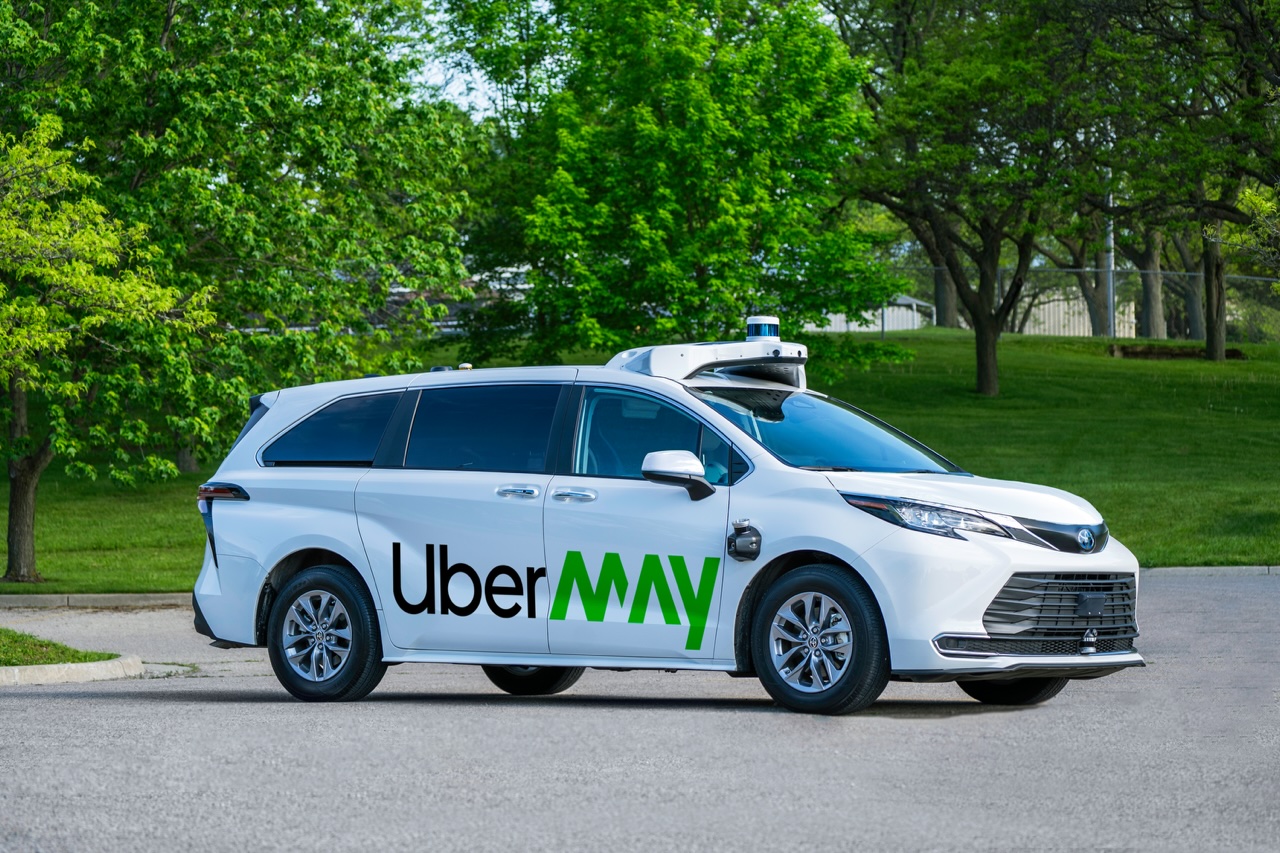
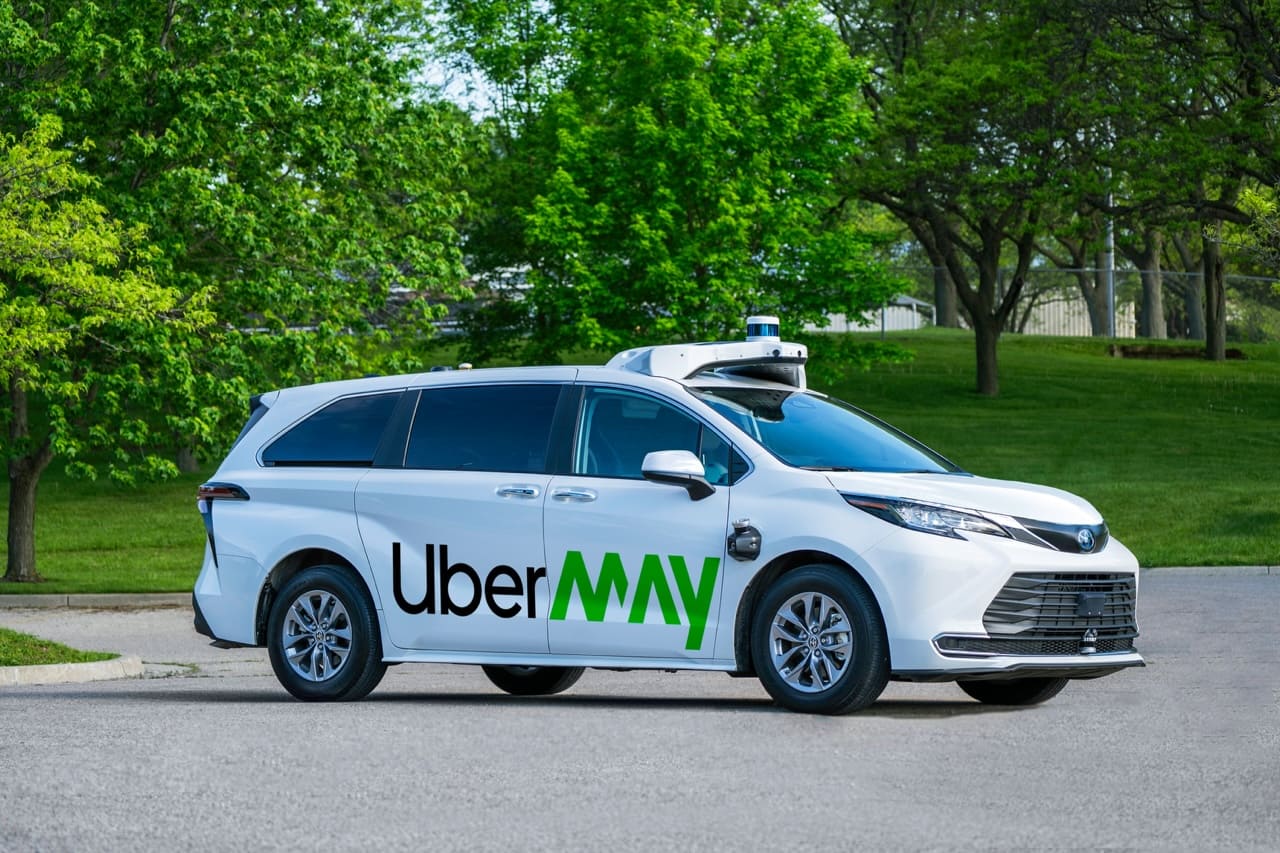
Autonomous vehicle company May Mobility is merging with a special purpose acquisition company (SPAC) and will become a publicly traded company. It’s a deal that could raise more than $300 million for May Mobility at a valuation of $1.4 billion, the company said Wednesday.
Once the merger is complete, May Mobility said it will be the first public company in the U.S. that is focused entirely on autonomous ride-hailing vehicles. This is meant to differentiate it from a number of other public companies working on autonomy, including Tesla, Rivian, Alphabet (with Waymo), and trucking-focused Aurora and Kodiak.
The move sets up May Mobility to be a test of the stock market’s appetite for pure-play robotaxi ventures.
It will also be a test of May Mobility’s approach to autonomy, which it pitches as “asset-light” and “partnership-first.” Instead of owning and operating the robotaxis, May Mobility’s business revolves around selling its autonomous vehicles to its fleet partners over time while maintaining control of any remote supervision and software updates. In exchange, May Mobility receives either fixed fees or per-trip licensing fees.
Founded in 2017, May Mobility currently operates autonomous Toyota Siennas in three locations in the U.S. It has a partnership with Lyft in Atlanta, and offers rides in two cities — Eden Prairie and Grand Rapids — in Minnesota.
These deployments helped May Mobility generate around $10 million in revenue last year, with a cash burn of around $93 million. It has offered more than 550,000 paid autonomous rides to date, covering more than 1 million miles. The company recently spun up its first trial deployment in Japan and is planning commercial launches in Arlington, Texas, with Uber, at the end of this year or in early 2027.
May Mobility is merging with ACP Holdings Acquisition Corp., a special purpose acquisition company established by Houston, Texas-based investment management company Atlas Credit Partners. The merger will involve a $120 million “private investment in public equity” transaction, and up to $217 million from a trust account maintained by ACP Holdings — though shareholders in the SPAC may choose to redeem their stock at the time of the merger, which could reduce the amount of money going to May Mobility.
May Mobility said Wednesday that it will use the proceeds to fund more research and development, especially around removing its safety drivers, as well as supply-chain investments to reduce its bill-of-materials costs. The company is also targeting new geographic deployments, some of which it expects to announce later this year.
Read the original post here.
Superhuman is joining the cadre of productivity platforms launching notetakers — but rather than building one internally, it is acquiring Y Combinator-backed Fathom.
AI-powered productivity platforms aim to automate work. Typically, that automation is triggered when a user types prompts and creates workflows. It would be even better, however, if AI could proactively start work, and for that, the topics and action items discussed in meetings are key. Hence the desire by Superhuman and similar platforms to move into notetaking.
To date, Fathom, which was founded in 2020, has raised over $30 million in funding, and it was valued at $94 million in 2024, according to data from PitchBook. Its investors include Zoom Apps Fund, Telescope Partners, BoxOne Ventures, Character Capital, and Maven Ventures. Its cap table also includes individuals such as Reddit CEO Steve Huffman, former Twitch CEO Emmett Shear, and Cruise co-founder Kyle Vogt.
The notetaker offers a generous free plan, and that has resulted in over 400,000 monthly active users. The company said that over 1 million people have recorded meetings until now.
TechCrunch learned that earlier this year, Superhuman tested a notetaker internally with select users, but eventually chose to acquire a finished product to integrate with its productivity suite, with AI at the center. Shishir Mehrotra, Superhuman’s CEO, acknowledged this; he said that in the process of testing, the company realized how hard it is to create a notetaker.
“We’ve been working internally on this area for a while as well. I think it greatly increased our confidence in the demand in this category. It also becomes very clear how deep the products in this category are and how much you need to build. A lot of these products make the job feel really easy, but it’s actually quite tricky to do a great job in all parts [of meeting recording],” Mehrotra told TechCrunch over a call.
Mehrotra said that he was impressed with some of the technical intricacies built by the Fathom team, but didn’t elaborate on which ones. He did tease that with a notetaker, Superhuman can work on surfacing meeting context in real time.
Competition in the meeting notetaker space is intense, and startups like Granola, Read AI, and new entrant Wispr have raised millions of dollars to aid that growth. Despite having a healthy customer base or revenue run rate, venture-backed notetakers are feeling the heat from the market to do more than just notetaking. Some of these factors did matter in Superhuman acquiring Fathom, while Fathom’s CEO Richard White said that Superhuman’s 40 million user base was a good opportunity to reach users at scale.
“The reach of Superhuman is massive. I have always thought about M&A in terms of speed of building a product that everyone uses, and a part of that comes down to distribution. If we were to operate Fathom as a stand-alone company, we would have to build a lot of things that are already in the Superhuman platform,” he said.
On the platform front, Superhuman already has an email client, a docs app, a calendar, a database solution, and a newly launched AI agent builder platform. With a meeting notetaker in the middle, Superhuman can draft emails, update data entries, schedule follow-up meetings, and have AI agents start work and extract insights from meeting data.
Read the original post here.
Maven Ventures and Founding Managing Partner Jim Scheinman have been recognized among the top 100 AI venture capital firms and individual investors, respectively, in the 2026 Strebulaev–Jackson AI Venture Rankings. The rankings, published by Stanford Graduate School of Business Professor Ilya Strebulaev and his research team, evaluate venture investment performance based on measurable value creation rather than reputation or firm size.
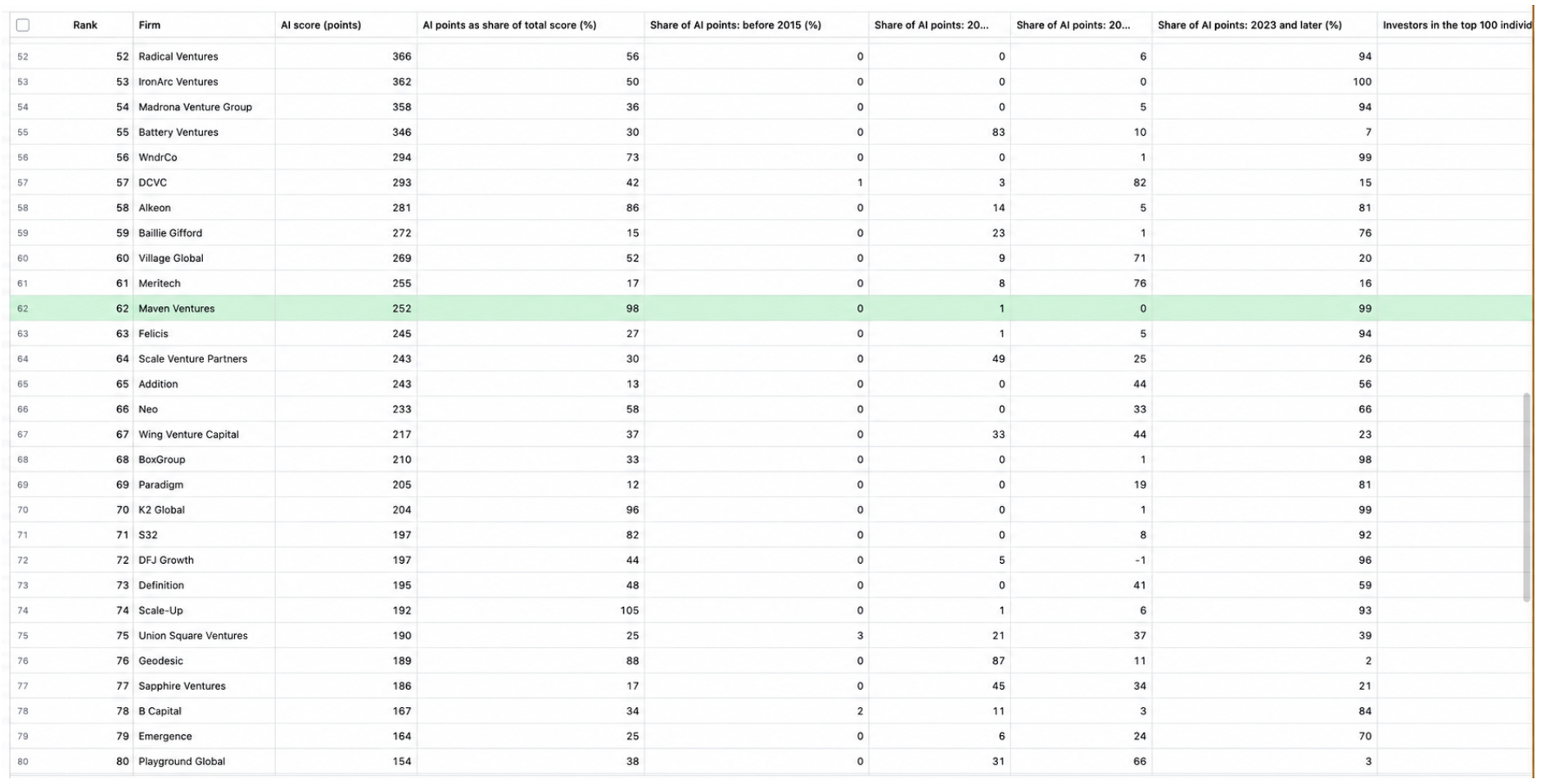
In the 2026 rankings, Jim Scheinman was ranked #71 among the top 100 individual AI venture capitalists, while Maven Ventures ranked #62 among the top 100 AI venture capital firms. The recognition places both Jim and Maven alongside some of the most established investors and venture firms in the industry, reflecting Maven's focus on identifying and backing promising AI companies.
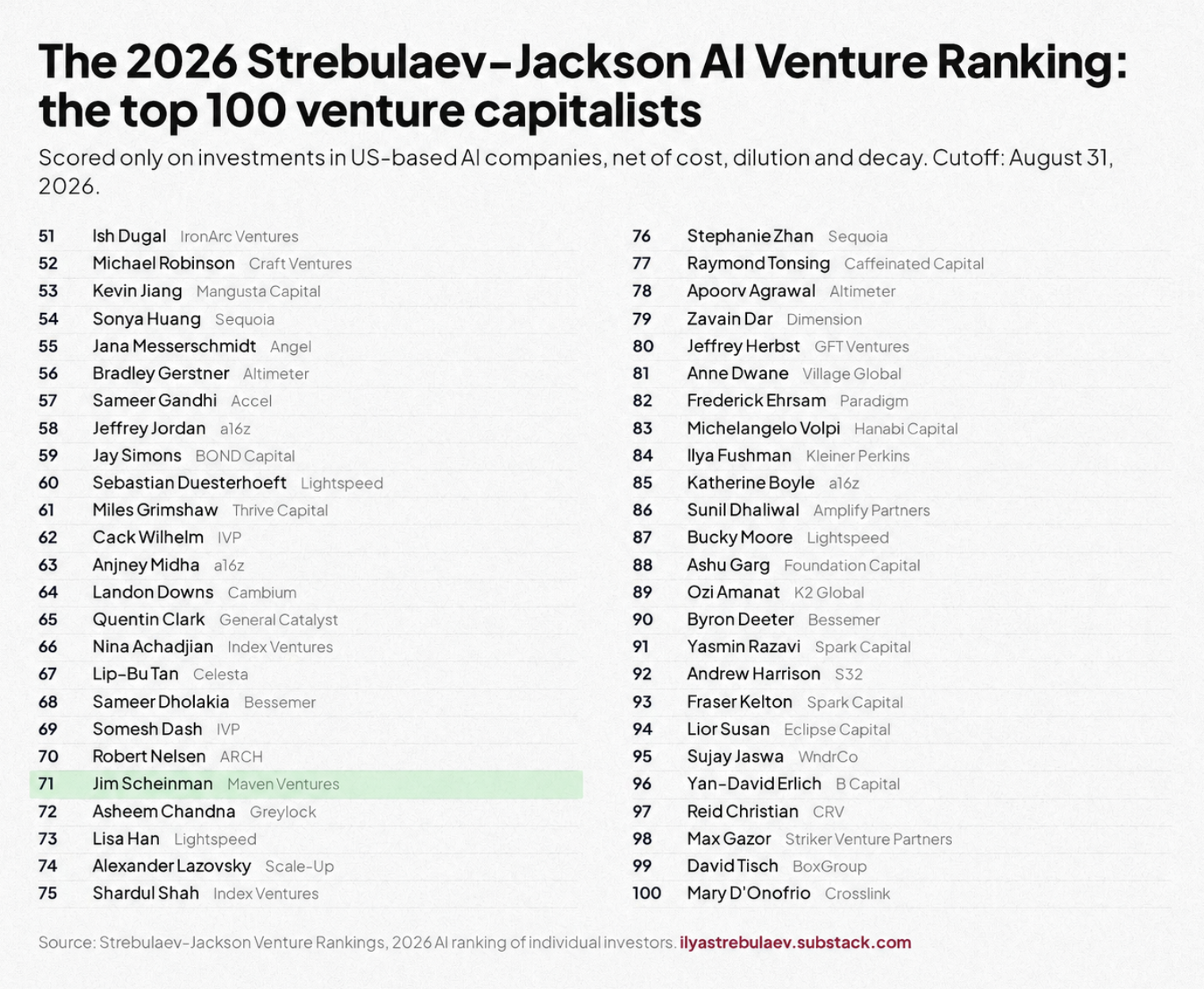
Unlike traditional venture capital rankings that rely on reputation, assets under management, or fundraising activity, the Strebulaev–Jackson rankings use a quantitative methodology to evaluate investment performance. The research incorporates six factors: valuation, dilution, net profit, value added, human-capital decay, and the allocation of investment credit between firms and individual investors.
The AI-specific rankings focus exclusively on investments in U.S.-based AI companies, with an August 31, 2026 cutoff date. Importantly, the researchers apply a rigorous definition of what constitutes an AI company, distinguishing businesses where AI is fundamental to the product from those that simply incorporate AI into existing products or services. The methodology also includes AI-specific infrastructure businesses that enable the development and deployment of artificial intelligence.
By applying a consistent, data-driven framework, the rankings offer a perspective on which investors have created meaningful value within the rapidly evolving AI ecosystem.
One of the most notable findings for Maven is the degree to which AI contributes to the firm's overall investment performance. According to the ranking data, 98% of Maven Ventures' total ranking score comes from AI investments, placing Maven among the most AI-focused firms in the top 100.
Maven earned 252 AI ranking points, with approximately 99% attributable to investments made in 2023 or later. This concentration reflects the firm's exposure to the latest generation of AI companies and its focus on emerging opportunities within the sector.
The rankings also highlight a broader industry trend: AI investment performance is increasingly driven by a relatively small number of companies and investors. Across the top 100 AI venture firms, the top 10 account for approximately 60% of total ranking points, demonstrating the highly concentrated nature of value creation in the category.
The 2026 rankings reveal how dramatically artificial intelligence has reshaped venture capital. Across the top 100 AI venture firms, approximately 80% of AI ranking points came from investments made in 2023 or later, illustrating how much of the sector's measured value creation has emerged in just the past few years.
The rankings also show that individual investors are often more specialized than the firms they represent. The median top-100 individual investor derives 85% of their total ranking score from AI, compared with 48% for the median top-100 venture firm.
For founders, these findings reinforce the importance of choosing investors with relevant experience, strong judgment, and a demonstrated focus on the opportunities shaping the future of technology.
Maven Ventures is proud to be recognized alongside leading AI investors and venture firms in the 2026 Strebulaev–Jackson rankings. The recognition reflects Maven's commitment to identifying and supporting the next generation of category-defining companies.
Read the original post here and here.
[Transcript]
ELISSA NADWORNY, HOST:
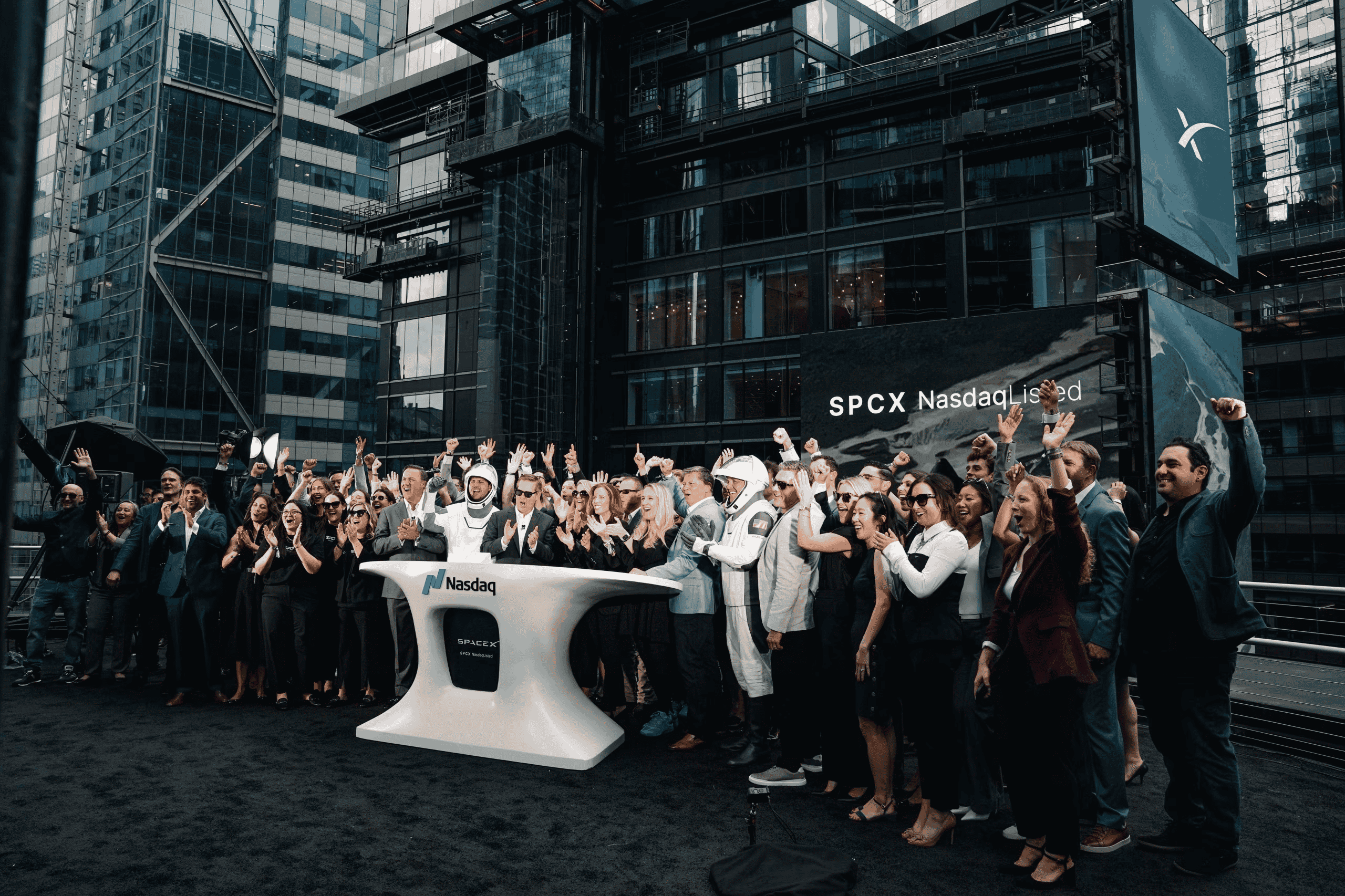
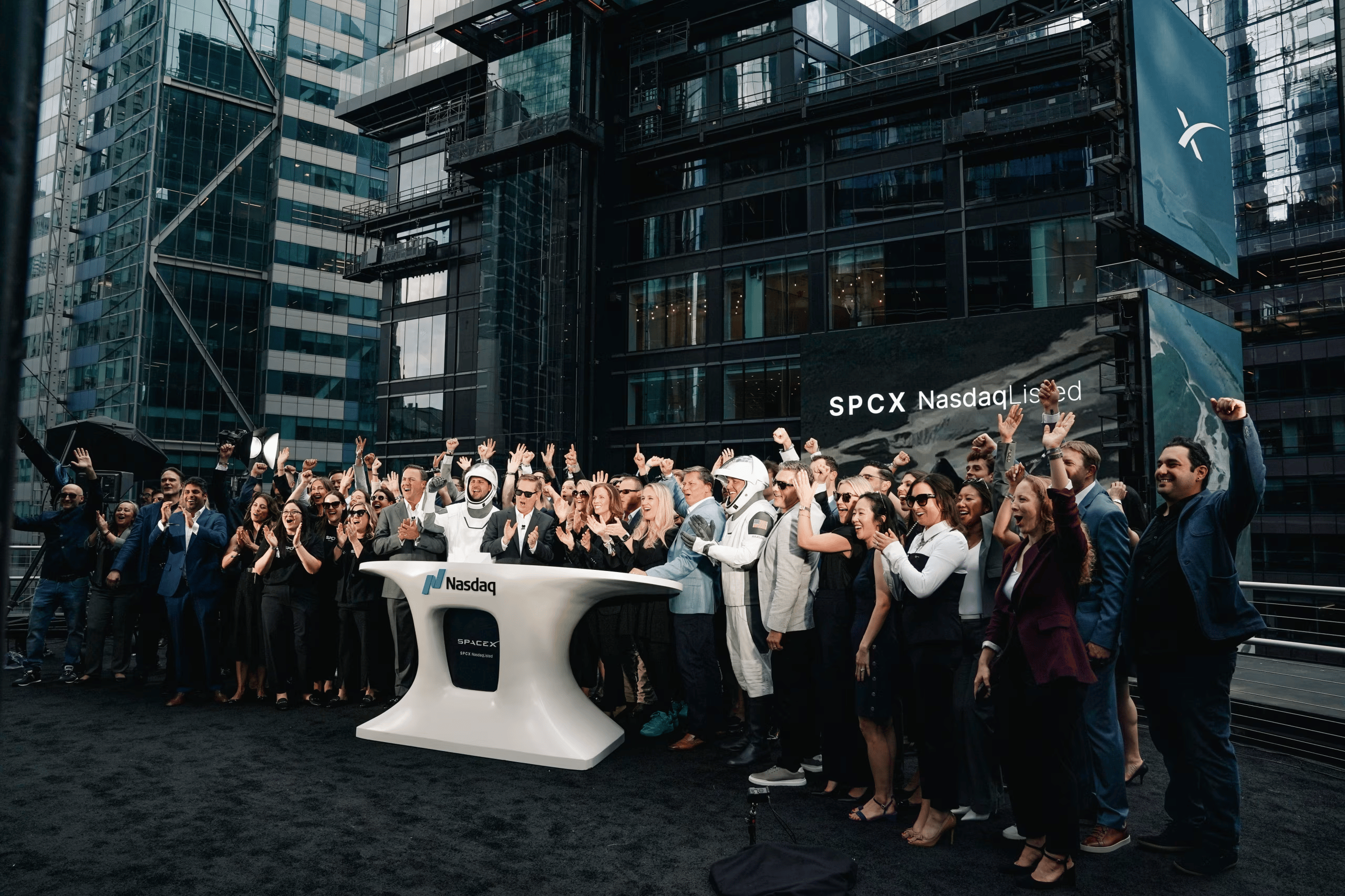
SpaceX had the largest initial public offering in history yesterday. At the closing bell, it was valued at more than $2 trillion, making it one of the largest companies on Earth by valuation. But is SpaceX really worth that much money? Joining me to discuss this is NPR's Geoff Brumfiel. He's been following the space launch company for years and has been covering the IPO. Hello.
GEOFF BRUMFIEL, BYLINE: Hi, Elissa.
NADWORNY: OK. So just remind us how SpaceX got its start. Where did this company come from?
BRUMFIEL: Yeah. It was founded by Elon Musk in 2002. It made its name building these really cool reusable rockets that could sort of shoot up to space, and then the booster could come back and land on Earth. These rockets ended up even taking astronauts to the space station. But the thing is, the rocket business really isn't all that big. Only about $10 billion a year globally is spent on launching things into space. So a few years ago, SpaceX started a satellite internet business called Starlink. And...
NADWORNY: Oh, yeah.
BRUMFIEL: Elissa, you probably used that in Ukraine, right?
NADWORNY: I did. That's right.
BRUMFIEL: Yeah. Well, that one turns out to be a moneymaker, but it's still not enough to justify this valuation. So this year, SpaceX remade itself into an AI company. In February, it acquired xAI. That's Elon's other AI company. And a lot of this valuation rests on AI making the company a lot of money going forward.
NADWORNY: In the future. OK. But is SpaceX making money today?
BRUMFIEL: No. It's actually losing tons of money. This is one of the things we found out when it released its financial disclosures. According to those documents, SpaceX lost $5 billion last year and another $4 billion in the first quarter of this year.
NADWORNY: Whoa.
BRUMFIEL: A lot of those losses are due to the AI side of the business. It's been burning cash at an incredible rate. I've been calling it a financial black hole as...
NADWORNY: (Laughter).
BRUMFIEL: ...A bit of a space joke. Now, the satellite internet part of the company and the rocket part are doing better. But as I said, they're still not worth that much money. My colleague John Ruwitch spoke to Morningstar analyst Nick Owens. Here's what he said.
NICK OWENS: We value the base business - the rockets and the Starlink - at $40 a share. And then we did a range of scenarios for what might happen with AI.
BRUMFIEL: And in the end, Owens says he believes, including AI, SpaceX shares might be worth around $63 each. But the closing price on Friday was just under $161.
NADWORNY: Whoa. That is - that's a big difference. Can you explain why SpaceX is worth all this?
BRUMFIEL: I'd say there's two things. First, Morningstar itself admits there's a great deal of uncertainty as to how much the artificial intelligence market is actually worth. It's a new technology. But, second, this is really a bet on Elon Musk. You know, people want to pay for his vision of the future. They hope it'll make them money. And this vision is crazy ambitious. In its financial disclosure documents, SpaceX said - I want to read this to you - "our mission is to build the systems and technologies necessary to make life multiplanetary, to understand the true nature of the universe and to extend the light of consciousness to the stars." So, you know, that could be worth $2 trillion, I suppose.
NADWORNY: How far along is SpaceX on this actual journey to extend the light of consciousness?
BRUMFIEL: Yeah. As someone who looks at the technical side of things, I do think it's important to note they have a ways to go. They want to fly huge AI data centers into space, build factories on the moon, colonize Mars. And to do all that, they're really depending on a giant new rocket called Starship. That rocket's behind schedule. It's costing billions to develop. We've got some critical tests coming up this year. And I think seeing how well it does and whether they can get into orbit - that should tell us more about the company's future.
NADWORNY: That's NPR's Geoff Brumfiel. Thanks, Jeff.
BRUMFIEL: Thank you, Elissa.
Read the original post here.
